
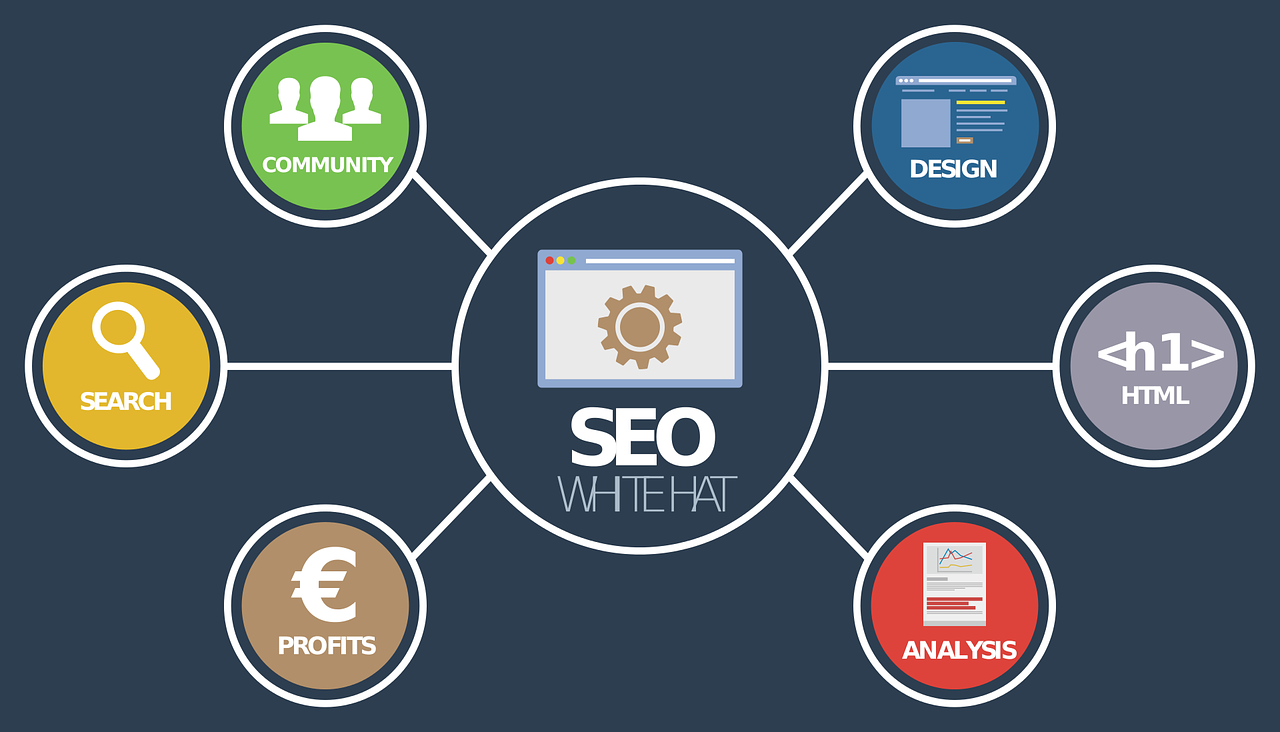
Search engine optimization, or SEO, is now a vital component of successful online marketing campaigns in the digital age. In order to draw in organic traffic, search engine optimization (SEO) aims to make a website more visible on search engine results pages (SERPs). With the internet serving as a primary source of information, businesses must leverage SEO to remain competitive and reach their target audiences.
Knowing SEO
SEO is the process of using a variety of methods and best practices to raise a website’s position in search results on sites like Google, Yahoo, and Bing. These techniques are broadly categorized into on-page and off-page SEO.
Optimizing individual web pages to rank higher and attract more relevant traffic is the main goal of on-page SEO. This includes:
Keyword Research: Identifying the terms and phrases that potential customers use to find products or services similar to what your business offers.
material optimization is the process of producing excellent, pertinent, and captivating material that responds to user requests and questions.
Meta Tags: Crafting compelling meta titles and descriptions that accurately represent the content of the page and entice users to click.
Header Tags: Using H1, H2, and H3 tags to structure content, making it easier for search engines to understand the hierarchy and importance of information.
Off-page SEO, on the other hand, involves activities conducted outside the website to improve its authority and relevance. Key off-page SEO tactics include:
Link Building: Acquiring backlinks from reputable websites, which signals to search engines that your site is trustworthy and authoritative.
Social Media Engagement: Making use of social media channels to raise brand awareness and improve website traffic.
Guest Blogging: Writing articles for other websites within your industry to establish authority and gain quality backlinks.
The Benefits of SEO
Implementing a robust SEO strategy offers several benefits for businesses:
Increased Visibility and Traffic: Higher rankings on SERPs lead to more visibility and, consequently, more traffic. Users are more likely to click on websites that appear on the first page of search results.
Cost-Effectiveness: Unlike paid advertising, organic traffic generated through SEO doesn’t incur a direct cost per click, making it a cost-effective marketing strategy in the long run.
Enhanced User Experience: SEO involves optimizing site speed, mobile-friendliness, and content quality, all of which contribute to a better user experience.
Credibility and Trust: High-ranking websites are often perceived as more credible and trustworthy by users, enhancing brand reputation.
Keeping Up with SEO
Because search engine algorithms are always changing, SEO is a field that is always changing.To stay ahead of the competition, it is necessary to constantly learn, analyze trends, and change your plan. Using tools such as Ahrefs, SEMrush, and Google Analytics can provide useful insights into website functionality and places for improvement. Finally, search engine optimization (SEO) is an important aspect of current digital marketing. Businesses may enhance their online visibility, increase the number of organic visits, and eventually meet their marketing and sales goals by investing in efficient SEO techniques. Whether you own a small business or are employed in marketing, being aware of and utilizing SEO can significantly affect your success online.

Leave A Comment